No, Ortho Home Defense is not intended for use on plants and should not be applied to them. Using it on plants can cause significant damage or even death. This article will explain why Ortho Home Defense isn’t suitable for plants, the potential risks, and what you can use to protect your garden instead.
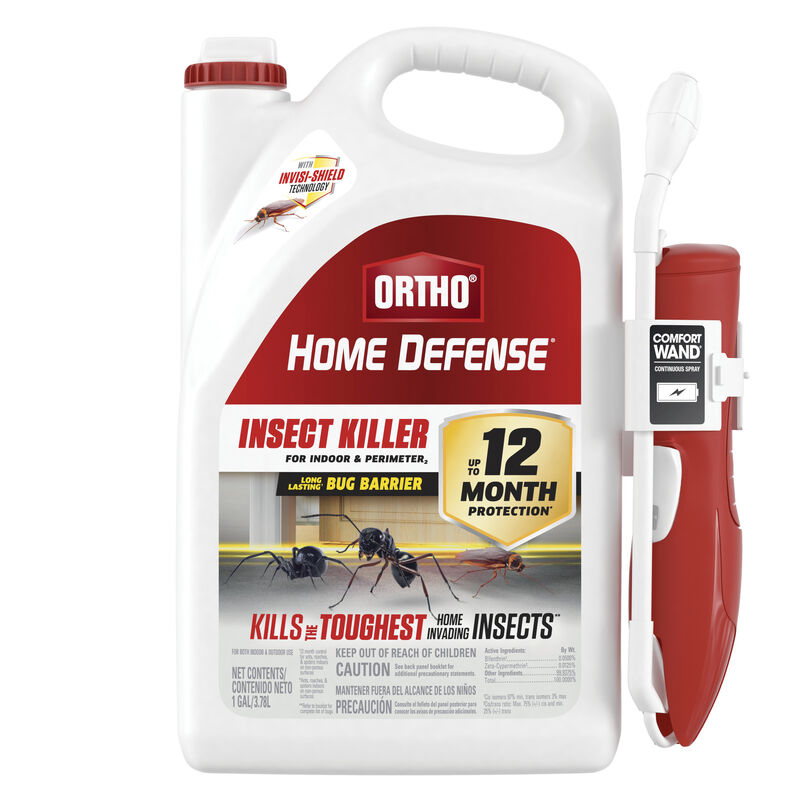
Image Source: ortho.com
Why Ortho Home Defense and Plants Don’t Mix
Ortho Home Defense is designed to create a barrier against insects around your home’s foundation, not to treat infestations on plants. Its chemical composition is formulated for a specific purpose: to kill crawling and flying insects that attempt to enter your home. This formulation is entirely different from insecticides designed for plant use.
Fathoming the Formulation
The active ingredients in Ortho Home Defense typically include pyrethroids like bifenthrin or lambda-cyhalothrin. These chemicals are effective at killing insects by disrupting their nervous systems. However, these chemicals are not selective and can be harmful to beneficial insects, pollinators, and, most importantly, the plants themselves. Ortho Home Defense’s inert ingredients can also be harmful. These “inactive” ingredients help deliver the active chemicals, but some may harm plant tissue.
Examining Ortho Home Defense Plant Safety
Ortho Home Defense plant safety is a serious concern. The product label explicitly warns against using it on plants. This warning isn’t just a suggestion; it’s a critical safety guideline. The chemicals in Ortho Home Defense can cause a range of adverse effects on plants.
Delving Into Ortho Home Defense Phytotoxicity
Ortho Home Defense phytotoxicity, or plant toxicity, is a major risk. Phytotoxicity refers to the degree to which a substance is poisonous to plants. When exposed to Ortho Home Defense, plants may exhibit the following symptoms:
- Leaf Burn: The edges of leaves may turn brown and crispy, indicating chemical burn.
- Stunted Growth: The plant’s overall growth may slow down or stop entirely.
- Discoloration: Leaves may turn yellow (chlorosis) or develop unusual spots.
- Wilting: The plant may wilt even when the soil is moist.
- Death: In severe cases, the plant may die.
Effects of Ortho Home Defense on Plants
The effects of Ortho Home Defense on plants can be devastating. The damage can range from cosmetic issues to the complete loss of your prized plants. Factors that influence the severity of the damage include:
- Concentration: Higher concentrations of the product will likely cause more severe damage.
- Plant Species: Some plants are more sensitive to these chemicals than others.
- Application Method: Direct spraying of the product onto foliage is more harmful than accidental soil contact.
- Environmental Conditions: Hot, dry conditions can exacerbate the effects of phytotoxicity.
The Dangers of Ortho Home Defense Garden Use
The Ortho Home Defense garden use is strongly discouraged. The potential for plant damage and the risk to beneficial insects far outweigh any perceived benefits. Using Ortho Home Defense in your garden can disrupt the delicate ecosystem and harm the plants you’re trying to protect.
Why Ortho Home Defense is Inappropriate for Vegetables
Using Ortho Home Defense for vegetables is especially risky. Vegetables are meant for consumption, and exposing them to chemicals not intended for food crops can pose health hazards. Even if the vegetables don’t show visible signs of damage, they may absorb the chemicals, making them unsafe to eat.
Ortho Home Defense Plant Damage: Real Examples
Many gardeners have unfortunately learned the hard way about the dangers of using Ortho Home Defense on plants. Here are some real-world examples of the plant damage it can cause:
- Tomato Plants: Leaves turning yellow, stunted growth, and reduced fruit production.
- Rose Bushes: Leaf burn, wilting, and death of new shoots.
- Flowering Plants: Discoloration of petals, reduced bloom size, and plant death.
Is Ortho Home Defense Safe for Plants? – A Clear Answer
To reiterate, is Ortho Home Defense safe for plants? Absolutely not. Its formula can severely harm or kill many plants.
Ortho Home Defense Near Plants: What to Consider
Even using Ortho Home Defense near plants requires caution. Accidental overspray or runoff can still affect your plants. Here are some tips to minimize the risk:
- Apply Carefully: When spraying around your home’s foundation, be mindful of nearby plants.
- Use a Shield: Use a piece of cardboard or plastic to shield plants from overspray.
- Avoid Windy Days: Wind can carry the spray further than intended, increasing the risk of exposure.
- Water Plants After Application: Gently watering plants after applying Ortho Home Defense can help wash off any accidental residue.
- Monitor Your Plants: Keep a close eye on your plants for any signs of damage after application.
Understanding Ortho Home Defense Plant Exposure
Ortho Home Defense plant exposure can occur in several ways:
- Direct Spray: The most common and harmful form of exposure, where the product is sprayed directly onto the plant.
- Soil Contamination: The product seeps into the soil and is absorbed by the plant’s roots.
- Runoff: Rain or irrigation water carries the product from treated areas to nearby plants.
- Vapor Drift: In hot weather, the chemicals can vaporize and drift onto plants.
Alternative Plant Pest Control Options
If Ortho Home Defense is off-limits for plants (which it should be), what alternative plant pest control methods can you use? There are many safe and effective options for managing garden pests without harming your plants or the environment.
Natural and Organic Insecticides
- Neem Oil: A natural insecticide derived from the neem tree. It’s effective against a wide range of pests, including aphids, mites, and caterpillars.
- Insecticidal Soap: A soap-based spray that disrupts the insect’s cell membranes, causing them to dehydrate and die.
- Pyrethrins: Natural insecticides derived from chrysanthemum flowers. They are effective against many pests but can also harm beneficial insects. Use with caution.
- Diatomaceous Earth (DE): A powder made from fossilized algae. It works by scratching the insect’s exoskeleton, causing dehydration.
Biological Controls
- Beneficial Nematodes: Microscopic worms that parasitize and kill soil-dwelling pests.
- Ladybugs: Voracious predators of aphids and other soft-bodied insects.
- Lacewings: Another beneficial insect that feeds on aphids, mites, and other pests.
- Praying Mantises: Generalist predators that eat a wide variety of insects.
Cultural Practices
- Crop Rotation: Rotating crops each season can help prevent pest infestations.
- Companion Planting: Planting certain plants together can deter pests. For example, marigolds can repel nematodes.
- Good Sanitation: Removing dead leaves and other debris can eliminate breeding grounds for pests.
- Watering Properly: Avoid overwatering, as it can create conditions favorable for pests and diseases.
- Weeding Regularly: Weeds can harbor pests and diseases, so it’s important to keep your garden weed-free.
Comparing Pest Control Options
| Pest Control Method | Pros | Cons |
|---|---|---|
| Neem Oil | Effective against a wide range of pests, safe for most plants, organic. | Can have a strong odor, may need to be reapplied after rain. |
| Insecticidal Soap | Effective against soft-bodied insects, relatively safe for plants and beneficial insects. | Only effective on direct contact, may need to be reapplied frequently. |
| Pyrethrins | Fast-acting, effective against many pests. | Can harm beneficial insects, break down quickly in sunlight. |
| Diatomaceous Earth | Non-toxic, effective against many crawling insects, long-lasting. | Can be harmful to beneficial insects if inhaled, needs to be reapplied after rain. |
| Beneficial Nematodes | Target specific pests, safe for plants and beneficial insects, long-lasting. | Can be expensive, require moist soil conditions. |
| Ladybugs | Voracious predators of aphids, natural pest control. | Can fly away, may not stay in the garden. |
| Crop Rotation | Prevents pest buildup, improves soil health. | Requires planning, may not be feasible in small gardens. |
| Companion Planting | Deters pests naturally, attracts beneficial insects, improves plant health. | May not be effective for all pests, requires knowledge of plant interactions. |
| Good Sanitation | Prevents pest and disease outbreaks, improves overall garden health. | Requires regular maintenance. |
Restoring Plants After Ortho Home Defense Exposure
If your plants have already been exposed to Ortho Home Defense, there are steps you can take to help them recover:
- Rinse Thoroughly: Immediately rinse the affected plants with a strong stream of water to remove any residual chemicals. Focus on the leaves and stems.
- Prune Damaged Areas: Remove any severely damaged leaves or stems. This will help the plant focus its energy on new growth.
- Improve Soil Conditions: Add compost or other organic matter to the soil to improve drainage and nutrient availability.
- Provide Support: If the plant is weak or unstable, provide support with stakes or trellises.
- Monitor Closely: Keep a close eye on the plant for any signs of recovery or further damage.
- Avoid Fertilizing Immediately: Wait a few weeks before fertilizing the plant, as it may be stressed.
Final Thoughts
Is Ortho Home Defense safe for plants? We have established that the answer is a resounding no. Protect your garden and plants by using pest control methods specifically designed for plants. There are plenty of safer alternatives available that will keep your garden thriving without the risk of plant damage. Always read and follow product labels carefully, and when in doubt, consult with a local gardening expert.
Frequently Asked Questions (FAQ)
Q: What happens if I accidentally spray Ortho Home Defense on my plants?
A: Immediately rinse the plants with a strong stream of water to remove as much of the chemical as possible. Prune any severely damaged leaves or stems. Monitor the plants closely for signs of recovery or further damage.
Q: Can Ortho Home Defense kill my plants?
A: Yes, Ortho Home Defense can kill plants, especially if applied directly or in high concentrations.
Q: I sprayed Ortho Home Defense around my vegetable garden. Are my vegetables safe to eat?
A: It’s best to err on the side of caution and avoid eating vegetables that have been exposed to Ortho Home Defense. The chemicals may have been absorbed by the plants, making them unsafe for consumption.
Q: Are there any plants that are immune to Ortho Home Defense?
A: While some plants may be more tolerant than others, no plants are entirely immune to the harmful effects of Ortho Home Defense.
Q: How long does Ortho Home Defense stay active in the soil?
A: The persistence of Ortho Home Defense in the soil depends on various factors, including the specific formulation, soil type, and environmental conditions. However, it can remain active for several months.
Q: Can I use a diluted solution of Ortho Home Defense on my plants?
A: No. Diluting Ortho Home Defense does not make it safe for plants. The chemicals in the product are still harmful, even in lower concentrations.
Q: What should I do if my pet eats a plant that has been exposed to Ortho Home Defense?
A: Contact your veterinarian immediately. Ortho Home Defense can be toxic to pets.
Q: Where can I find more information about safe pest control methods for plants?
Tap into the wisdom of your local nursery or agricultural extension office. These seasoned experts can steer you toward the safest and most effective pest control strategies tailored to your plants and locale, including renowned resources like the Texas A&M AgriLife Extension or the Clemson Cooperative Extension.

My name is Rob Young, and I’m the voice and passion behind gardenerhow.com. This website is my outlet to share my journey, expertise, and enthusiasm for sports. Whether you’re a seasoned enthusiast or just starting your athletic adventures, I aim to inspire, educate, and connect with people who share the same love for sports. Join me as we dive into techniques, tips, and stories that make the world of sports even more exciting!