When should you remove a wall of water from tomatoes? You should remove tomato walls of water when the danger of frost has passed and the outdoor temperatures, especially nighttime temperatures, consistently stay above 50°F (10°C). Leaving them on too long can actually harm your plants. This article will help you determine the best time for tomato wall of water removal to maximize your tomato yield.
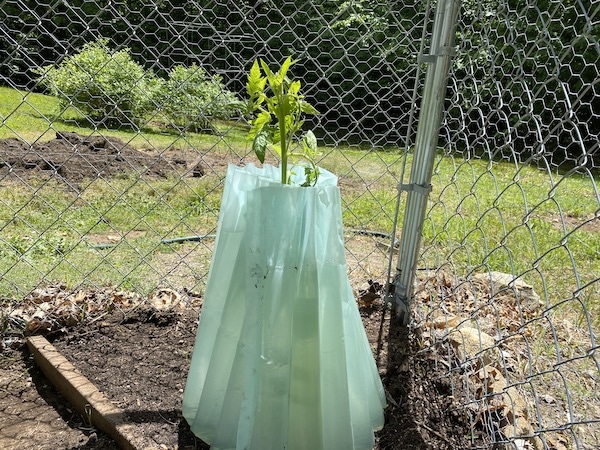
Image Source: suburbanhobbyfarmer.com
Fathoming Tomato Walls of Water
A tomato wall of water is a plant insulator comprised of interconnected water-filled tubes that surround a young tomato plant. These devices are typically used to protect young tomato plants from frost and cold temperatures early in the growing season, allowing gardeners to set out plants weeks before the last expected frost.
Tomato Wall of Water Benefits
The primary advantages of using tomato walls of water are:
- Frost Protection Tomatoes: They protect against frost, extending the growing season.
- Faster Growth: They create a warmer microclimate, promoting faster early growth.
- Earlier Harvest: They allow for earlier planting, which can lead to an earlier harvest.
- Tomato Seedling Temperature Regulation: The water absorbs heat during the day and slowly releases it at night, moderating temperature swings.
Discerning the Right Time for Tomato Wall of Water Removal
Knowing when to remove a tomato wall of water is just as important as knowing when to put it on. Removing it too early leaves your plants vulnerable to frost. Leaving it on too long can cause problems.
Monitoring the Weather for Tomato Plant Frost Danger
The most crucial factor is the weather forecast. Keep a close eye on both daytime and nighttime temperatures.
- Nighttime Tomato Temperature: Pay close attention to nighttime temperatures. If the forecast consistently predicts nighttime lows above 50°F (10°C), it’s generally safe to remove the walls.
- Frost Warnings: Heed any frost warnings issued by your local weather service. If a frost warning is in effect, leave the walls on.
Observation of Tomato Plant Growth
The plant itself provides clues.
- Healthy Growth: If the tomato plant is growing vigorously and has a healthy green color, it’s likely benefiting from the protection.
- Signs of Stress: Conversely, if the plant appears leggy (tall and spindly), pale, or stressed, it may be overheating inside the wall or lacking sufficient air circulation.
- Tomato Bloom Time Frame: Consider when your plants begin to flower. If flowering starts while the walls are still on, you definitely need to take them off, for pollination needs
Checking the Soil Temperature
- Use a soil thermometer. If the soil is consistently warm, it will promote strong root development.
Hazards of Leaving Walls on Too Long
While tomato walls of water are beneficial, leaving them on for too long can cause several problems:
- Overheating: The enclosed space can become excessively hot during the day, especially in direct sunlight, potentially stressing or even cooking the plant.
- Reduced Air Circulation: Poor air circulation can increase the risk of fungal diseases.
- Leggy Growth: As mentioned earlier, plants can become leggy and weak due to the confined space and potentially insufficient light.
- Pollination Problems: The walls can hinder pollination by preventing access for bees and other pollinators, especially after tomato bloom time frame has arrived.
Step-by-Step Guide for Tomato Wall of Water Removal
Follow these steps for a smooth transition:
- Choose the Right Day: Select a mild, cloudy day to minimize stress on the plants.
- Empty the Water: Carefully drain the water from the tubes. This can be done by puncturing the bottom of each tube.
- Remove the Walls: Gently lift the wall of water away from the plant.
- Harden Off (If Needed): If the plants have been inside the walls for an extended period and are noticeably tender, consider gradually exposing them to the outdoor environment over a few days. This process is known as tomato plant hardening off.
Tomato Plant Hardening Off After Wall Removal
If the plants have been coddled within the tomato wall of water for a considerable time, take precautions to ensure a smooth transition:
- Gradual Exposure: Expose the plants to the outdoor environment for a few hours each day, gradually increasing the duration.
- Protection from Direct Sun: Initially, protect them from intense sunlight and strong winds.
- Watering: Maintain consistent watering, especially during the hardening-off period.
Alternatives to Tomato Walls of Water
Consider these alternative methods for frost protection tomatoes:
- Row Covers: Lightweight fabric covers that protect plants from frost and insects.
- Cloches: Bell-shaped covers made of glass or plastic.
- Cold Frames: Enclosed structures that provide a protected growing environment.
- Plastic Tunnels: Similar to row covers, but larger and more durable.
Interpreting Temperature: What’s Ideal for Tomatoes?
Knowing the ideal temperature range for tomatoes will help you make informed decisions about when to use and remove protective measures.
- Ideal Tomato Growing Temperature (Day): 70-85°F (21-29°C)
- Ideal Tomato Growing Temperature (Night): 60-70°F (15-21°C)
- Minimum Safe Temperature: 50°F (10°C)
- Temperatures Below 50°F (10°C): Can stunt growth and reduce yields.
- Temperatures Below Freezing (32°F/0°C): Can kill tomato plants.
Table: Temperature Guide for Tomato Plants
| Temperature Range | Effect on Tomato Plants |
|---|---|
| Above 85°F (29°C) | Can cause blossom drop, reduced fruit set, and stressed plants. |
| 70-85°F (21-29°C) | Ideal for growth, fruit development, and ripening. |
| 60-70°F (15-21°C) | Good for growth, but ripening may slow down. |
| 50-60°F (10-15°C) | Growth slows down, but plants can survive. |
| Below 50°F (10°C) | Growth is severely stunted, and plants are vulnerable to disease. |
| Below Freezing (32°F/0°C) | Plant damage or death. |
Tools and Resources for Monitoring Conditions
Utilize these tools to stay informed:
- Weather Apps and Websites: Get real-time temperature data and forecasts.
- Soil Thermometers: Measure soil temperature accurately.
- Maximum-Minimum Thermometers: Record the highest and lowest temperatures reached.
- Local Extension Services: Provide valuable information about local climate conditions and gardening practices.
Enhancing Success
Here are some additional tips for maximizing your tomato yield:
- Choose the Right Variety: Select tomato varieties that are well-suited to your local climate.
- Start with Healthy Seedlings: Start seeds indoors or purchase healthy transplants from a reputable nursery.
- Provide Proper Support: Use stakes, cages, or trellises to support the plants as they grow.
- Water Consistently: Water deeply and regularly, especially during dry spells.
- Fertilize Properly: Use a balanced fertilizer to provide the necessary nutrients.
- Prune Regularly: Prune suckers (the shoots that grow between the main stem and branches) to improve air circulation and promote fruit production.
- Control Pests and Diseases: Monitor plants regularly for pests and diseases, and take appropriate action if necessary.
Frequently Asked Questions (FAQ)
Q: What is a tomato wall of water?
A: A tomato wall of water is a plant insulator made of water-filled tubes, used to protect young tomato plants from frost and cold.
Q: Can I reuse my tomato walls of water?
A: Yes, you can reuse them for several seasons if you store them properly. Clean them thoroughly before storing them to prevent mold and mildew.
Q: Who is likely to benefit most from using tomato walls of water?
A: Gardeners in regions with short growing seasons or unpredictable spring weather will benefit most.
Q: How long should I leave my tomato wall of water on?
A: Leave it on until the danger of frost has passed and nighttime temperatures consistently stay above 50°F (10°C).
Q: What happens if I leave the walls on too long?
A: Overheating, reduced air circulation, leggy growth, and pollination problems can occur.
Q: Should I remove the tomato wall of water on a sunny day?
A: No, it’s best to remove the wall on a cloudy day to prevent the plants from getting stressed.
Mastering the art of the tomato wall of water unlocks an earlier harvest and a bounty of ripe, juicy fruit. Stay attuned to the weather’s whispers, pay close attention to your plants’ needs, and adhere to these proven steps – your abundant tomato harvest awaits! Precision timing is your greatest ally.

My name is Rob Young, and I’m the voice and passion behind gardenerhow.com. This website is my outlet to share my journey, expertise, and enthusiasm for sports. Whether you’re a seasoned enthusiast or just starting your athletic adventures, I aim to inspire, educate, and connect with people who share the same love for sports. Join me as we dive into techniques, tips, and stories that make the world of sports even more exciting!